🕉️ Sharada Peeth
The Lost University & The Throne of Learning
🌍 Introduction
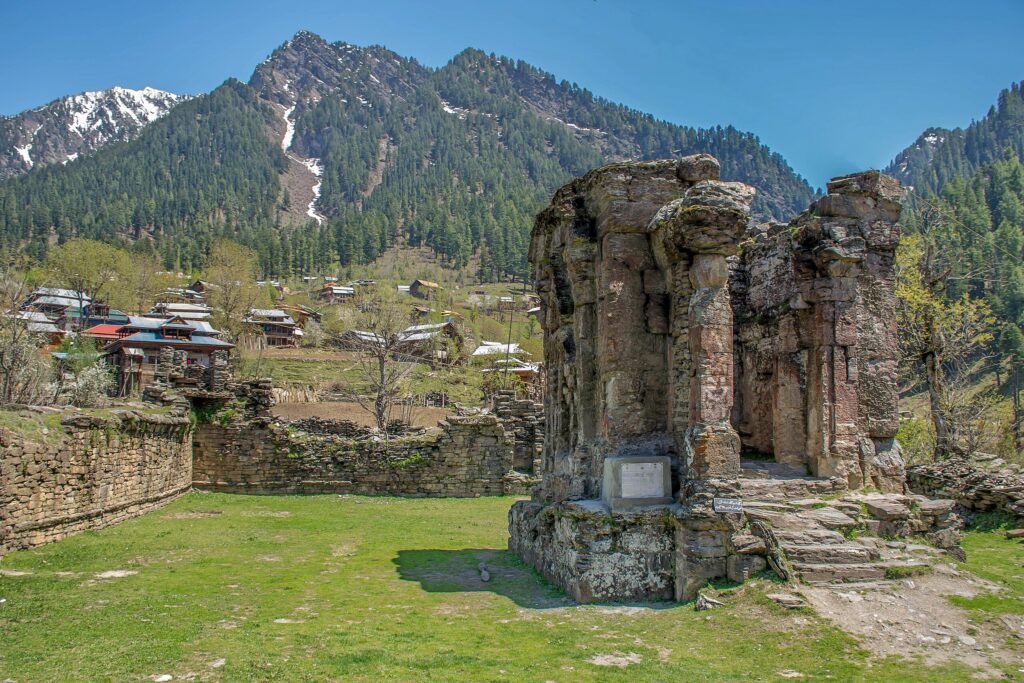
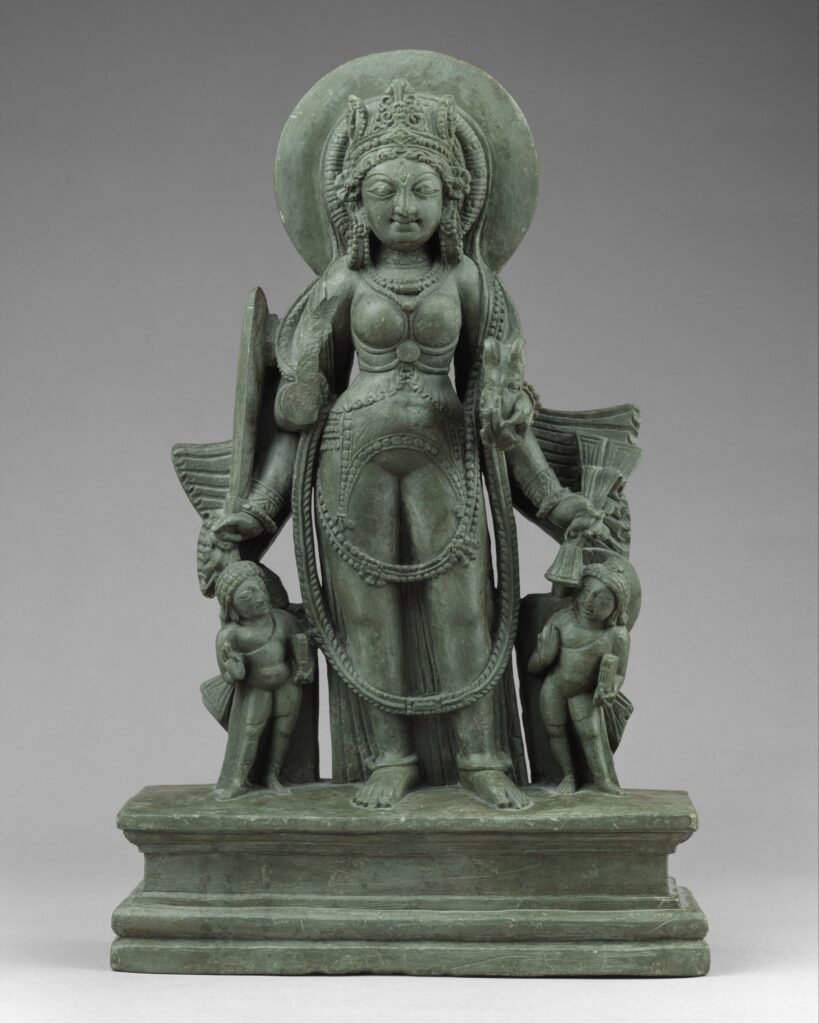
Sharada Peeth is an ancient Hindu temple and center of learning located in the village of Sharda, in Pakistan Occupied Kashmir. Between the 6th and 12th centuries CE, it was one of the foremost temple universities in the Indian subcontinent. Dedicated to Sharada, the Goddess of Learning, it is a primary Shakti Peetha where the Right Shoulder of Sati is said to have fallen.
📜 Literary & Historical Records
The earliest mentions of this site appear in the Nilamata Purana (6th – 8th century CE). The 11th-century Kashmiri poet Bilhana vividly described the goddess Sharada as a patron of learning whose presence made even the Himalayas swell with pride. He wrote:
“She resembles a swan, carrying as her diadem the glittering gold washed from the sand of the Madhumati stream… Spreading luster by her fame, brilliant like crystal, she makes even Mount Himalaya raise higher his head in pride of her residence there.”
🧠 Sarvajna Peetham: The Throne of Omniscience
In the 14th-century text Madhaviya Shankara Vijayam, a unique test is described involving the four doors of the temple, each representing a compass point. These doors could only be opened by a scholar from that direction who could prove their absolute mastery of philosophy.
🏛️ Architectural Design
The ruins exhibit the classic Kashmiri style. Built with massive blocks of grey sandstone on a high plinth, the temple represents the height of Himalayan engineering.
Pyramidal Roof
Originally featured a double-tiered pyramidal roof designed to shed the heavy Himalayan snow.
Trefoil Arches
The entrance displays “Trefoil” arches, a hallmark of Kashmiri Hindu architecture also seen in the Sun Temple of Martand.
📍 Location & Access
Situated on the banks of the Neelum River (ancient Madhumati), roughly 150 km from Muzaffarabad. Its proximity to the LoC makes it a sensitive but majestic location.
📚 Sharada Script
The native script of Kashmir was named after this deity. It was the primary script for Sanskrit in North India for centuries.
💡 Heritage Status
It remains a protected heritage site under the Government of Pakistan and a major point of interest for religious and historical tourism.