🕉️ Hinglaj Mata (Nani Mandir)
The Desert Jewel of Balochistan
🌍 Introduction
The Hinglaj Mata temple is located in Balochistan, Pakistan. It is a site of immense spiritual significance, being one of only two Shakti Peethas located in Pakistan. Nestled in a narrow gorge within the Hingol National Park, this cave temple serves as a bridge between faiths and a testament to the enduring nature of ancient traditions.
📜 Scriptural & Legendary Roots
The Kularnava Tantra lists Hingula as the third of 18 Pithas, while the Kubjika Tantra ranks it fifth among 42 Siddha Pithas. According to the Tantrachudamani, when Lord Vishnu dismembered the body of Sati, her Brahmarandhra (the crown of the head) fell here.
🌋 Baba Chandrakup: The Sacred Gatekeeper
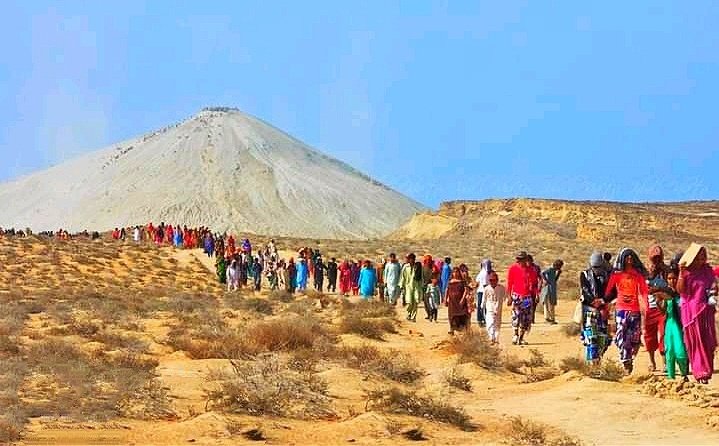
A mandatory stop on the pilgrimage is Chandragup (Moon Well), mainland Asia’s largest active mud volcano. Addressed as ‘Baba Chandrakup’, it is considered the abode of the demigod Babhaknath.
The Ritual of Confession
Pilgrims stay awake making Rotis from flour, ghee, and jaggery, ensuring the dough never touches the ground. At daybreak, these are offered to the crater. Crucially, every pilgrim must publicly confess their sins and ask for forgiveness at the crater’s edge. Only after this confession does the party receive permission from Baba Chandrakup to proceed to the main shrine.
👣 The Path of the Devotee
Traditionally, the yatra begins at the Nanad Panthi Akhada in Karachi, led by a chaadiar (staff bearer) authorized by the Akhara of Hatha yogis. While the 160-mile desert trek was once grueling, the Makran Coastal Highway now connects Karachi to the site, significantly increasing the number of pilgrims.
🤝 Nani Mandir
The local Baloch Zikri Muslims revere the Goddess as “Nani” (Grandmother) and have been the traditional protectors of the shrine for centuries.
🕳️ Swayambhu Cave
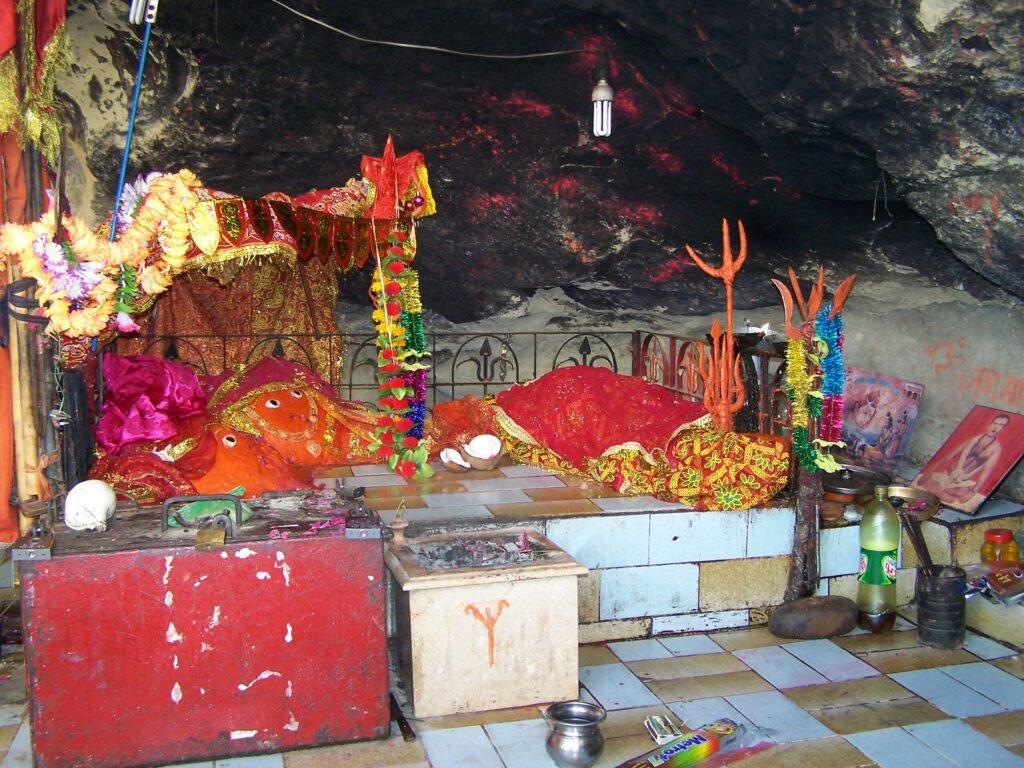
There is no man-made idol; a natural rock formation smeared with Hingula (vermillion) is worshipped in a limestone cave.
📍 Location & Directions
📅 Annual Yatra
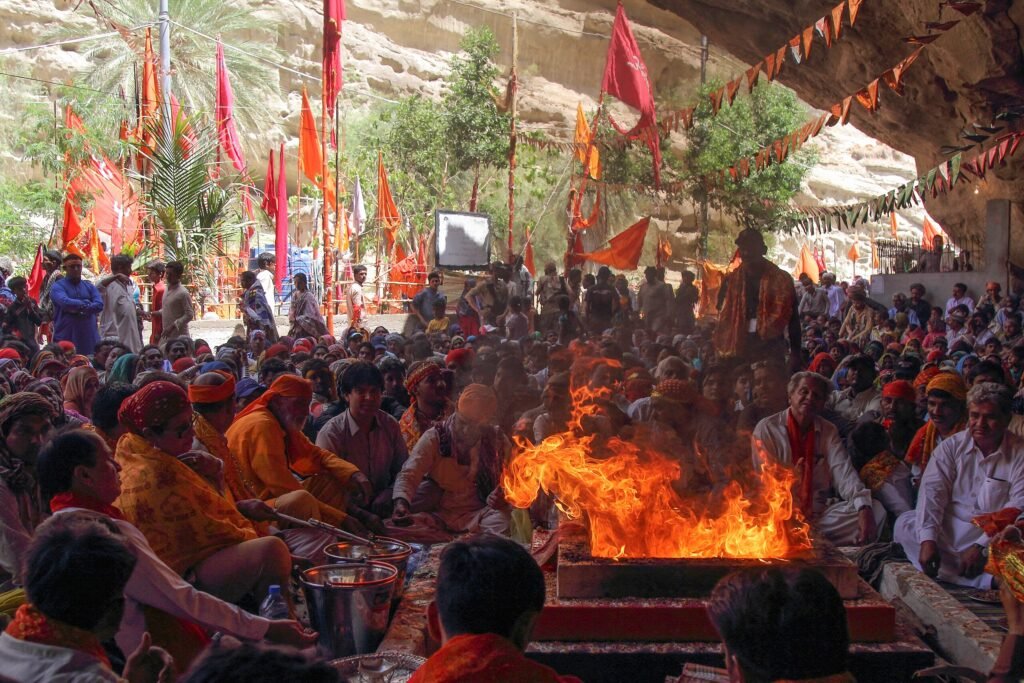
The 3-day festival in April attracts nearly 30,000 pilgrims who carry traditional red banners and wear red-gold head-scarves.
💡 Travel Note
Located 328 km from Karachi. While buses are common, some devotees cycle to the shrine as an act of austerity.