🕉️ Dakshina Kalika Temple
The Guardian of the South: Nepal’s Most Powerful Shakti Shrine
Goddess Dakshina Kali
Pharping, Nepal
River Confluence
The **Dakshina Kalika Temple**, commonly referred to as **Daxinkali**, is one of the most famous and culturally significant Hindu temples in Nepal. Situated approximately 22 kilometers south of Kathmandu near the village of Pharping, it is dedicated to the goddess Kali, the most bloodthirsty and powerful incarnation of Goddess Parvati. The name “Dakshina” refers to the south, as the temple is located in the southern part of the Kathmandu Valley.
📜 The Origin and Divine Mandate
The Dream of the King
Tradition holds that the temple was established in the 14th century after the Goddess Kali appeared in a dream to the Malla King. She commanded him to build a temple dedicated to her in this specific, secluded spot—a lush forest clearing at the meeting point of two holy streams. It has since remained the primary site for local rulers and citizens to seek protection and victory.
The Fearless Deity
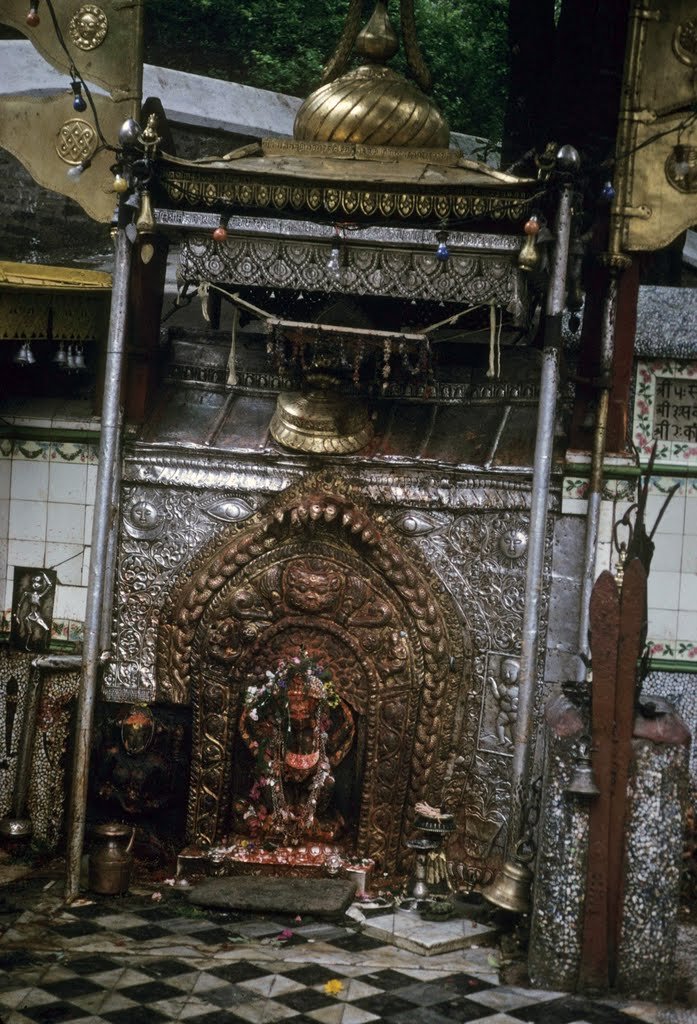
The main idol of Dakshina Kali is carved from black stone and depicts the Goddess standing over a prostrate Lord Shiva. Unlike the closed, indoor shrines found in many cities, this deity resides in an open-air enclosure, allowing the natural elements and the forest canopy to witness the intense rituals performed here.
🏛️ Architectural Features and Environment
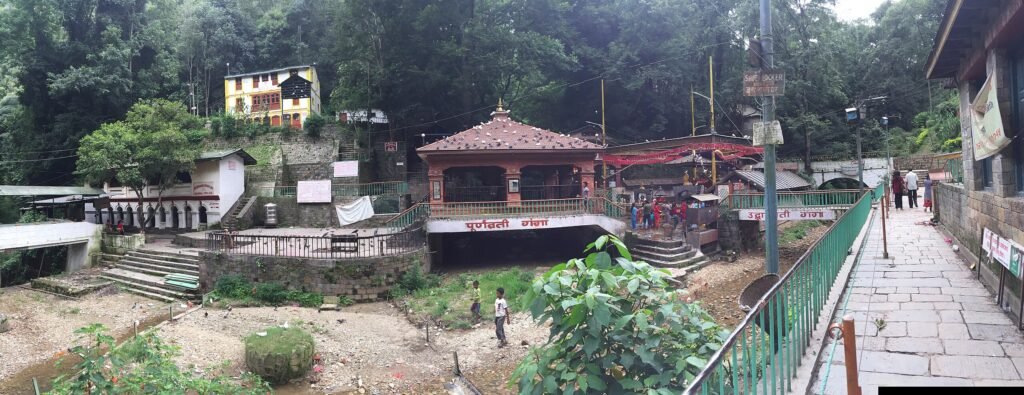
The temple is unique for its “Gorge Architecture,” being built into a natural depression where two rivers meet. This geography is considered spiritually “highly charged.”
1. Open-Air Sanctum: The deity is placed in a courtyard-style roofless shrine, surrounded by images of other fierce deities and the seven Matrikas (Mother Goddesses).
2. Golden Canopy: Above the black stone idol sits a beautifully crafted golden canopy (*Gajur*), symbolizing the royal patronage the temple has received over centuries.
3. Ritual Confluence: The temple is located at the confluence of the Purnawati and Uddharawati rivers. Pilgrims often wash their hands and feet in these waters before ascending the stone steps to the main altar.
✨ Blood Offerings and Intense Devotion
Dakshina Kali is widely known for being the center of animal sacrifices in the Kathmandu Valley, particularly on Tuesdays and Saturdays.
The Tuesday and Saturday Rituals
On these auspicious days, the temple becomes a sea of devotees. Roosters and uncastrated male goats are brought as offerings to the Goddess. The priests perform the *Bali* (sacrifice) near the deity to appease her fierce hunger and ensure the prosperity and health of the devotee’s family.
During the great festival of Dashain (Nepal’s version of Durga Puja), the temple becomes the epicenter of the nation’s spiritual focus, with thousands of pilgrims making the journey from the capital.
📍 Location on Google Maps
🚗 Travel & Logistics
| Mode of Transport | Details |
|---|---|
| By Private Cab | The most comfortable option from Kathmandu city (approx. 45-60 mins depending on traffic). |
| By Local Bus | Buses depart regularly from the Old Ratna Park bus station in Kathmandu toward Pharping. |
| Proximity | Ideally combined with a visit to the Pharping Caves (Asura Cave) where Padmasambhava meditated. |
📸 Photography Note
Photography of the main deity is generally forbidden. However, photos of the surrounding forest and the river confluence are allowed and highly scenic.
📅 Best Time to Visit
- Saturdays: To witness the peak of ritual energy.
- Dashain: For the most vibrant cultural experience.
- Early Morning: To enjoy the mist over the Pharping hills.
❓ Frequently Asked Questions (FAQ)
Q: Is the temple open every day?
A: Yes, but the main ritual energy and sacrifices occur specifically on Tuesdays and Saturdays.
Q: Can foreigners visit?
A: Yes, the temple is open to all, though only Hindus are typically allowed into the immediate inner sacrificial area.
Q: Why is she called “Dakshina” Kali?
A: It refers both to her location in the South and her traditional iconographic name where she is appeased with *Dakshina* (offerings).